
Tubes
Test Tubes, Culture Tubes, Centrifuge Tubes
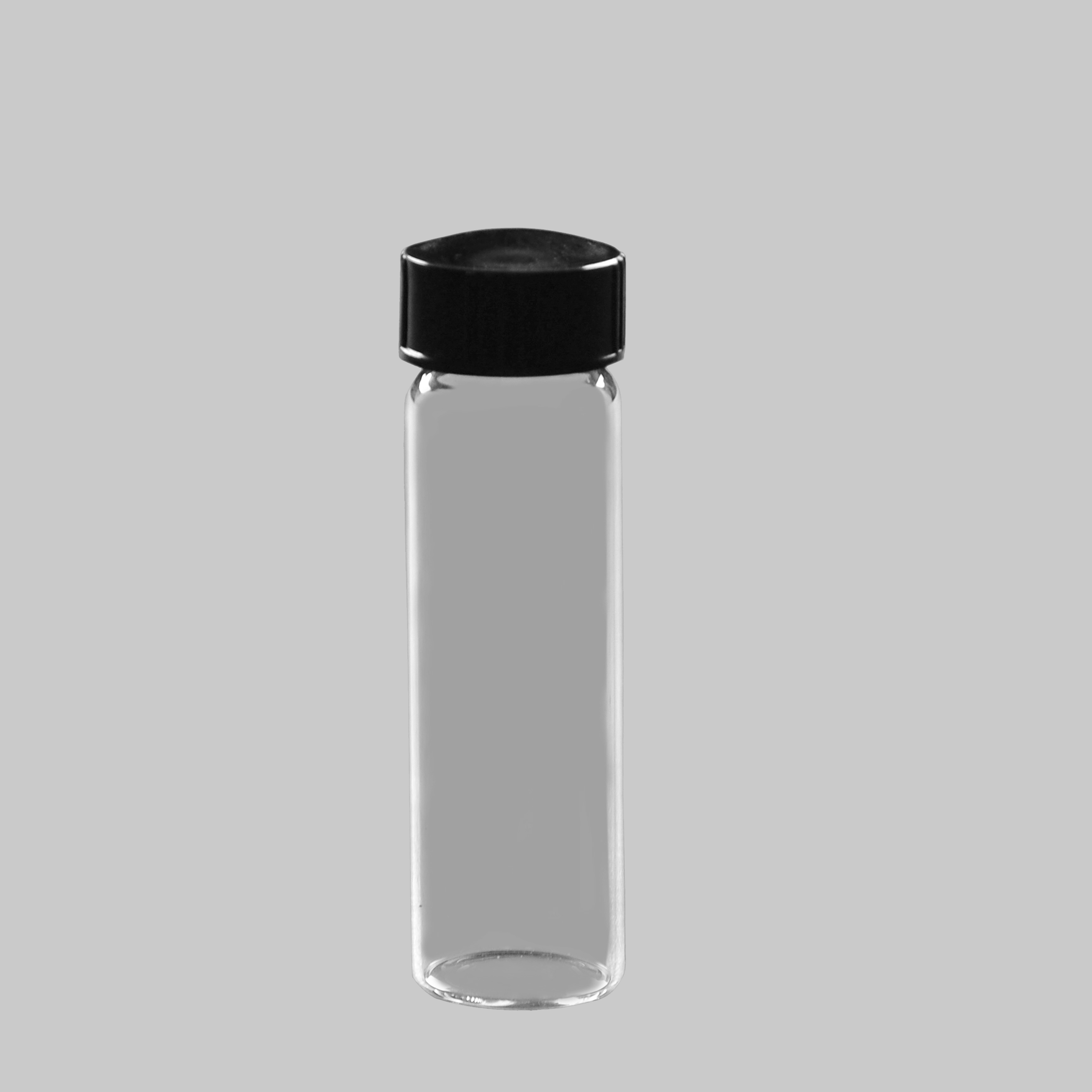
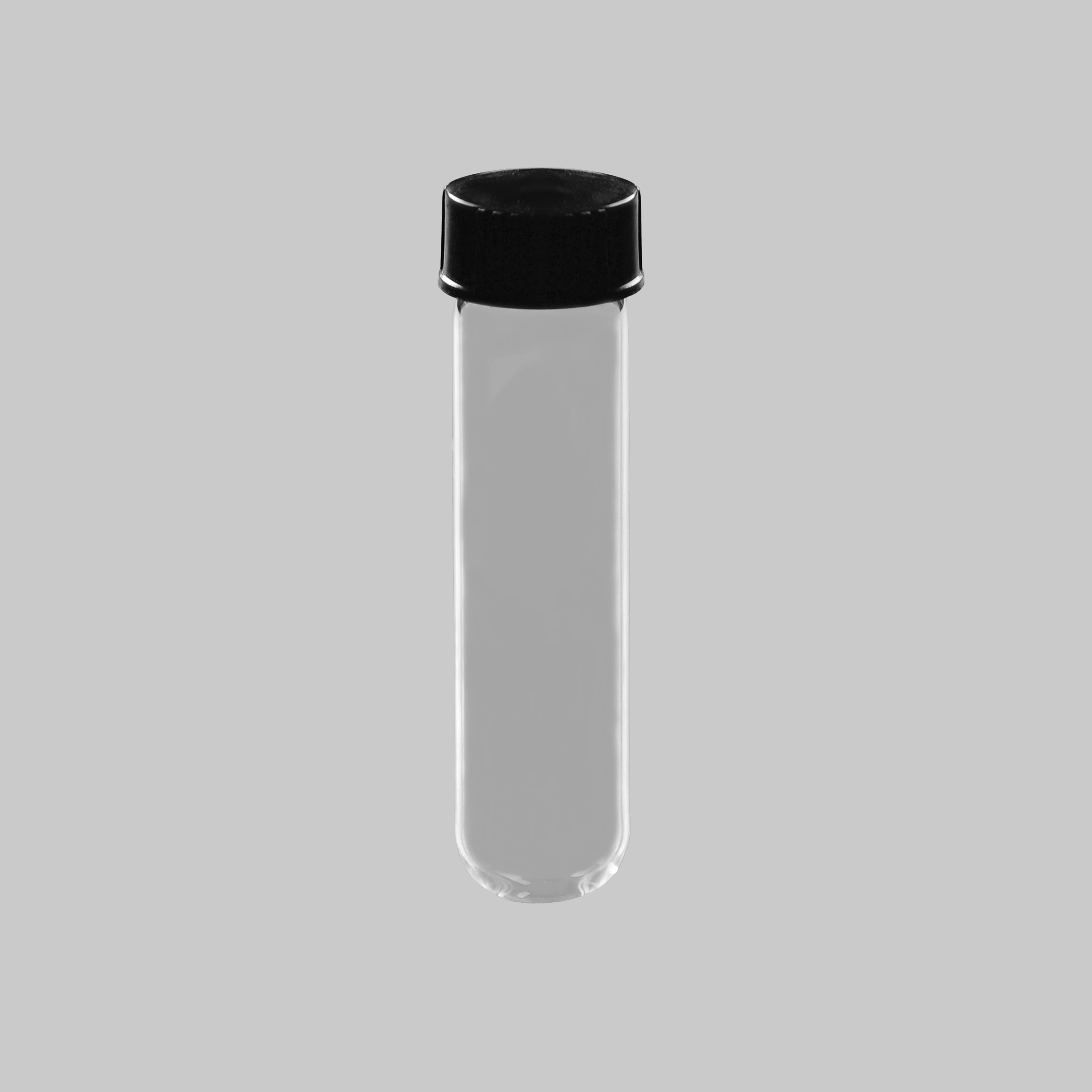
High-quality lab tubes for accurate testing and analysis. Includes test tubes, culture tubes, and centrifuge tubes made from durable plastic or glass. Ideal for research, diagnostics, and pharmaceutical use. Available in various sizes, sterile and non-sterile options.
FAQs:
Q1. What is a test tube and its importance in laboratories?
A test tube is a cylindrical piece of laboratory glassware used for holding, mixing, or heating small amounts of chemicals and biological samples. Test tubes are essential in research, clinical, and educational labs because they allow safe observation of reactions without spillage. Their transparent design ensures easy monitoring of experiments, while heat-resistant glass versions (borosilicate) can withstand direct heating. In microbiology, medical diagnostics, and chemical analysis, test tubes play a vital role in conducting accurate tests. Choosing the right type of test tube ensures reliable results and reduces contamination risks.
Q2. What are the different types of test tubes used in laboratories?
There are several types of test tubes, each designed for specific applications:
-
Glass test tubes – Made of borosilicate or soda lime glass, ideal for heating and chemical reactions.
-
Plastic test tubes – Lightweight and disposable, often used in biology labs.
-
Centrifuge tubes – Designed to withstand high-speed spinning in centrifuges.
-
Culture tubes – Used for growing microorganisms under sterile conditions.
-
Vacutainer tubes – Common in medical labs for blood collection.
Each type of test tube supports unique laboratory tasks, making selection crucial for efficiency and accuracy.
Q3. Why are glass test tubes preferred over plastic ones?
Glass test tubes, especially those made of borosilicate, are preferred in many laboratories because they can tolerate high heat, thermal shock, and chemical reactions. Unlike plastic test tubes, glass does not react with strong acids, alkalis, or solvents, making it ideal for analytical chemistry. They are reusable after sterilization, which makes them cost-effective in the long run. On the other hand, plastic test tubes are lightweight, disposable, and suitable for biological samples where sterility is a priority. Choosing between glass and plastic test tubes depends on the experiment’s needs, but for high-temperature and chemical-resistant applications, glass is always the best choice.
Q4. What are the common uses of test tubes in science and industry?
Test tubes are widely used across scientific, medical, and industrial applications. In chemistry labs, they are used for heating, mixing, and observing reactions. In biology, they hold samples for DNA testing, microbiological cultures, and enzymatic studies. Medical laboratories rely on different types of test tubes, such as vacutainer tubes, for collecting and analyzing blood. Industrial labs use them for quality testing of food, beverages, and pharmaceuticals. Their simple design makes them versatile, reusable, and easy to handle. Depending on the requirement, labs choose glass, plastic, or specialized test tubes to ensure accuracy and safety.
Q5. How do you choose the right type of test tube for your experiment?
Selecting the right test tube depends on the nature of the experiment:
-
For heating and chemical reactions → Borosilicate glass test tubes
-
For disposable sample handling → Plastic test tubes
-
For high-speed separation → Centrifuge tubes
-
For microbial studies → Culture tubes
-
For clinical diagnostics → Vacutainer blood collection tubes
Other factors include size, sterility, and chemical resistance. Using the wrong type of test tube may compromise results or cause safety hazards. Therefore, understanding the types and their applications is essential for researchers, students, and medical professionals.