
Bottles
Lab Bottles – Reagent, Wash, Media, and Sample Bottles
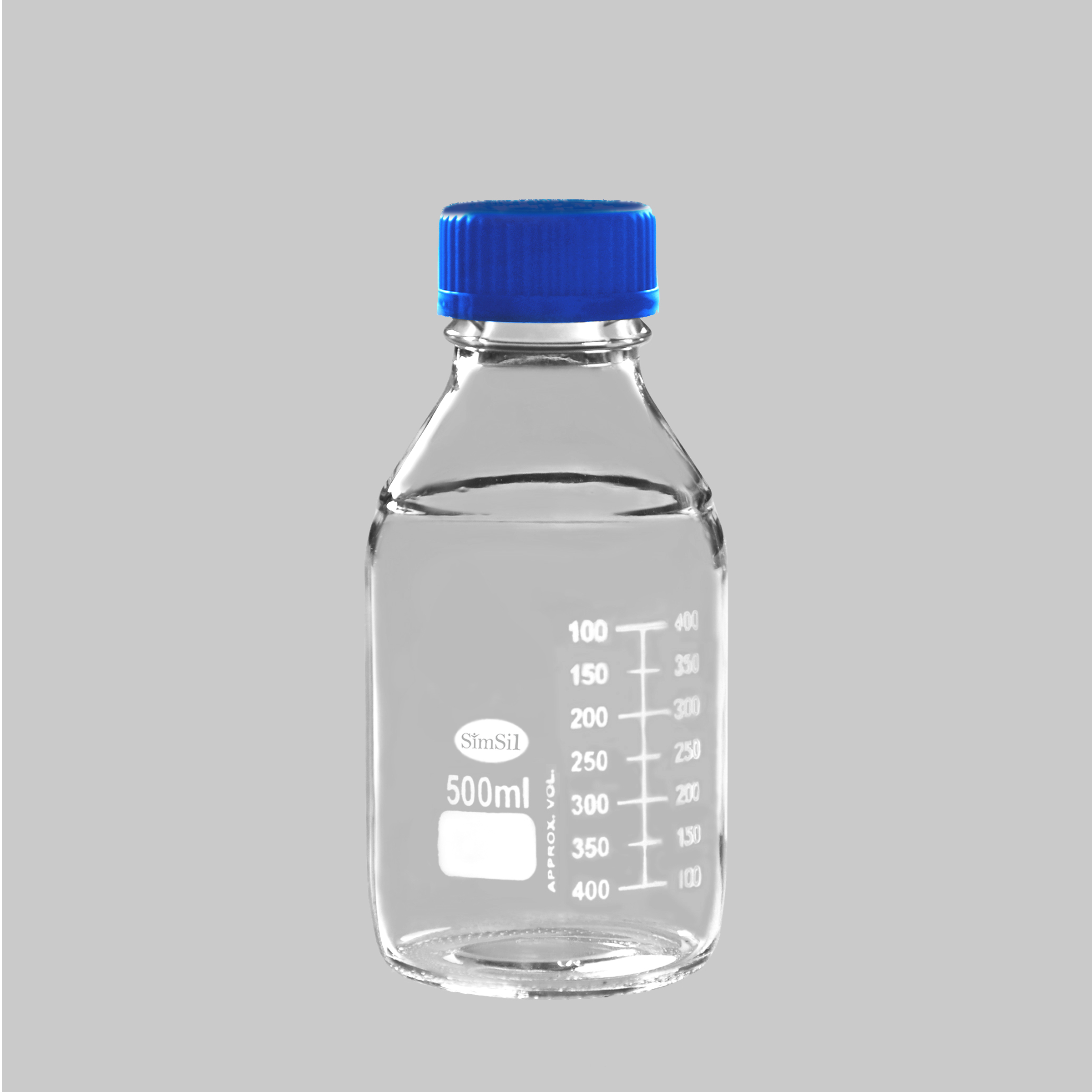
The Glass Bottles are available in many types. One of the most common bottles are Reagent Bottles, also known as media bottles and are used to store chemicals in liquid or powder form. They are made from 3.3 Low Thermal Expansion Borosilicate Glass.
Frequently Asked Questions About Laboratory Bottles
Q1. What are laboratory bottles?
Laboratory bottles are specialized containers designed for storing, transporting, and handling liquids, chemicals, and samples in scientific, pharmaceutical, and industrial environments. Unlike everyday bottles, they can withstand harsh chemical exposure, sterilization, and precise laboratory conditions. Their main role is to maintain the purity, safety, and accuracy of experiments.
Q2. Why are laboratory bottles important in research and industry?
Laboratory bottles are indispensable in both research labs and industrial facilities. They:
-
Ensure safe handling of chemicals.
-
Help maintain sterility for sensitive biological samples.
-
Prevent contamination risks that could compromise experiments.
-
Support reproducibility of scientific results, which is critical in research and pharmaceutical manufacturing.
Without proper laboratory bottles, experiments and industrial processes could face contamination, safety hazards, and unreliable outcomes.
Q3. What types of laboratory bottles are available?
Laboratory bottles are broadly categorized into glass and plastic types, each with specific advantages.
Glass Laboratory Bottles
-
Borosilicate Glass Bottles – Heat- and chemical-resistant, suitable for autoclaving and storing reactive chemicals.
-
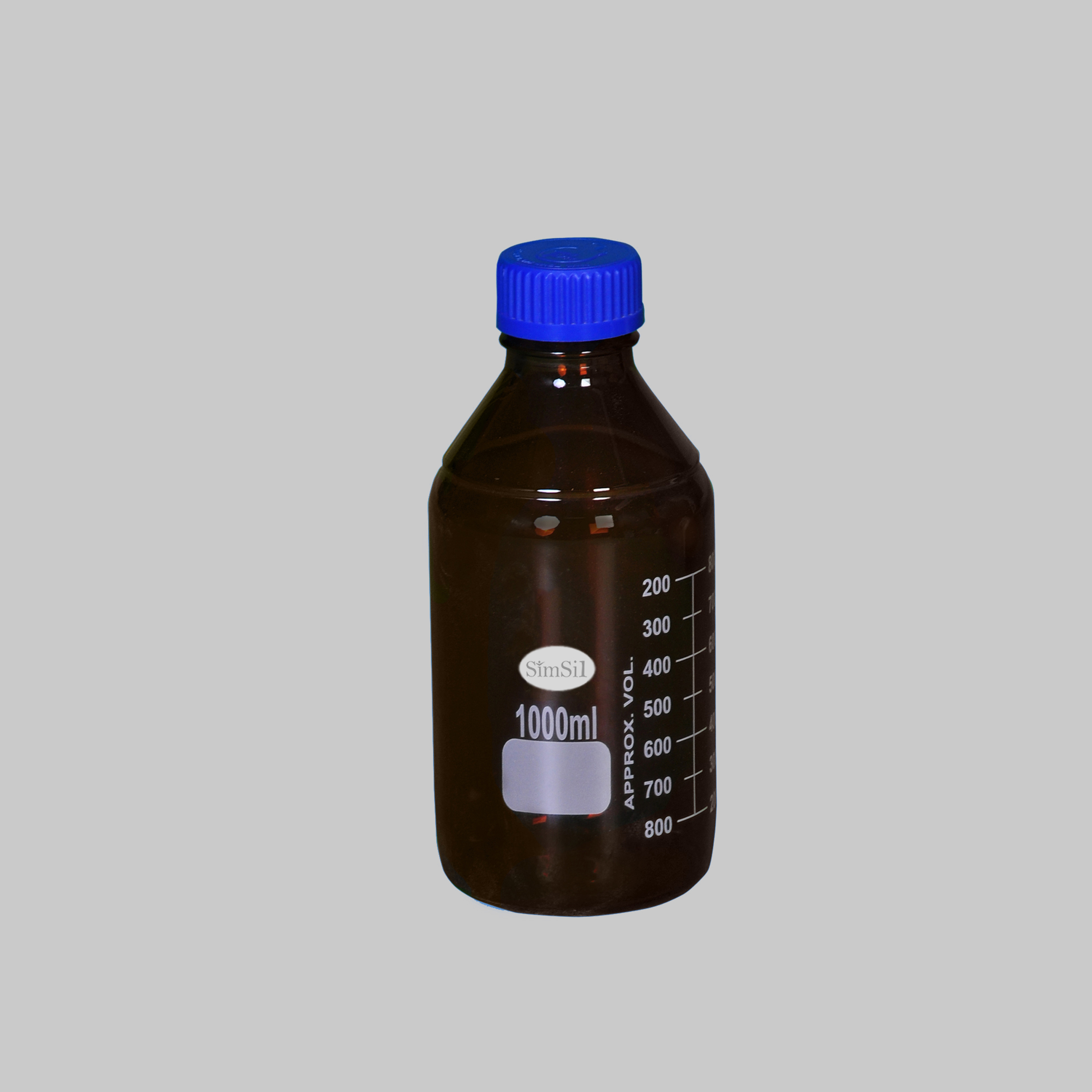
Amber Glass Bottles – Protect light-sensitive substances (e.g., antibiotics, vitamins) from UV degradation.
-
Clear Glass Bottles – Provide visibility for monitoring contents.
Plastic Laboratory Bottles
-
Polyethylene (PE) Bottles – Flexible, chemical-resistant, used for sample storage.
-
Polypropylene (PP) Bottles – Withstand high temperatures, suitable for autoclaving sterile media.
-
Polycarbonate Bottles – Transparent, durable, impact-resistant, ideal for demanding environments.
-
High-Density Polyethylene (HDPE) Bottles – Excellent resistance to acids and bases, ideal for corrosive chemicals.
Q4. What are the main applications of laboratory bottles?
Laboratory bottles serve various critical functions, such as:
-
Storage of Chemicals – Chosen for compatibility with acids, bases, and solvents.
-
Sample Collection and Transport – Protect biological and chemical samples from contamination during handling.
-
Sterile Media and Solutions – Widely used in pharmaceutical industries for preparing and storing culture media.
-
Pharmaceutical and Biotech Applications – Essential for vaccine storage, diagnostic reagents, and sterile solutions in biotechnology research.