
Desiccator
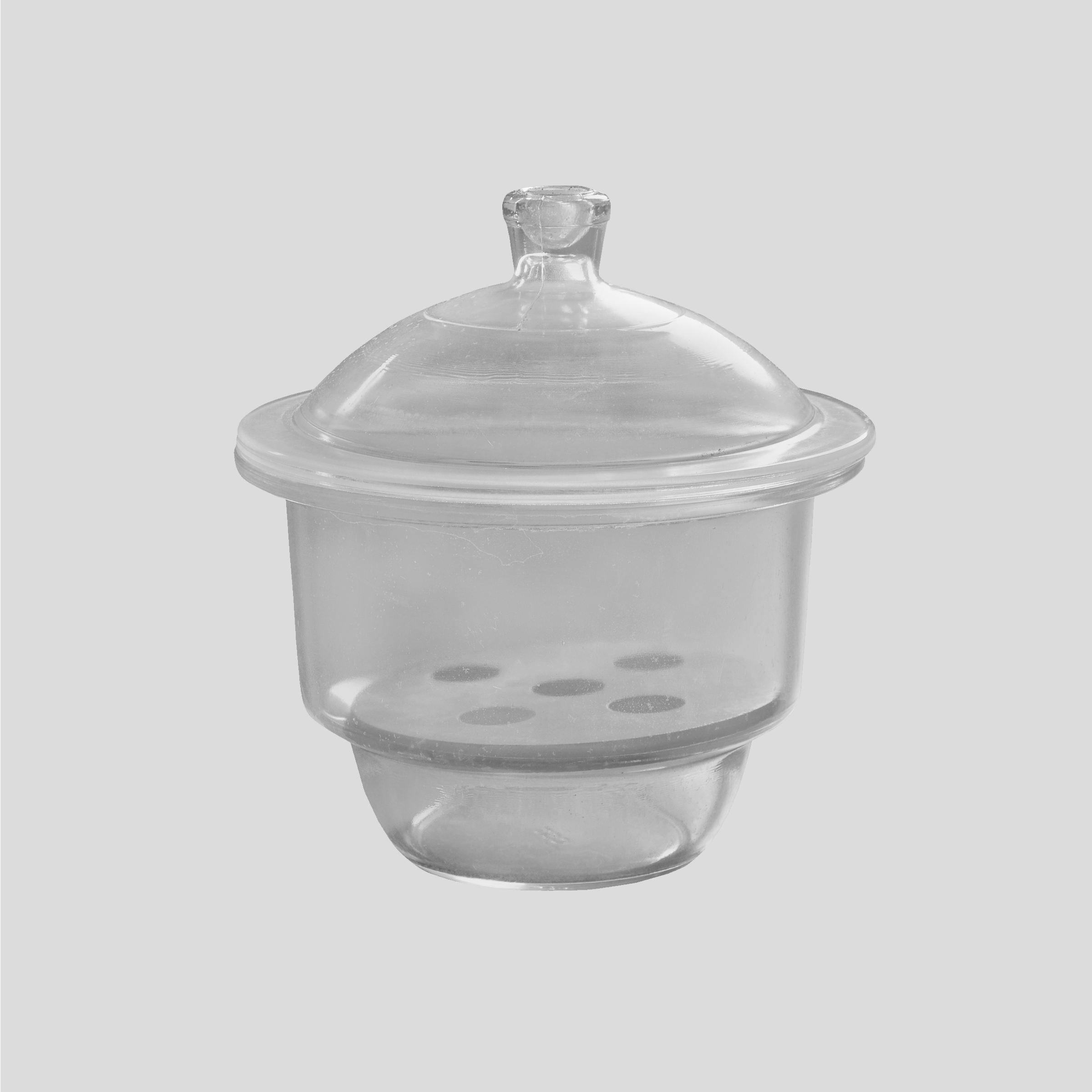
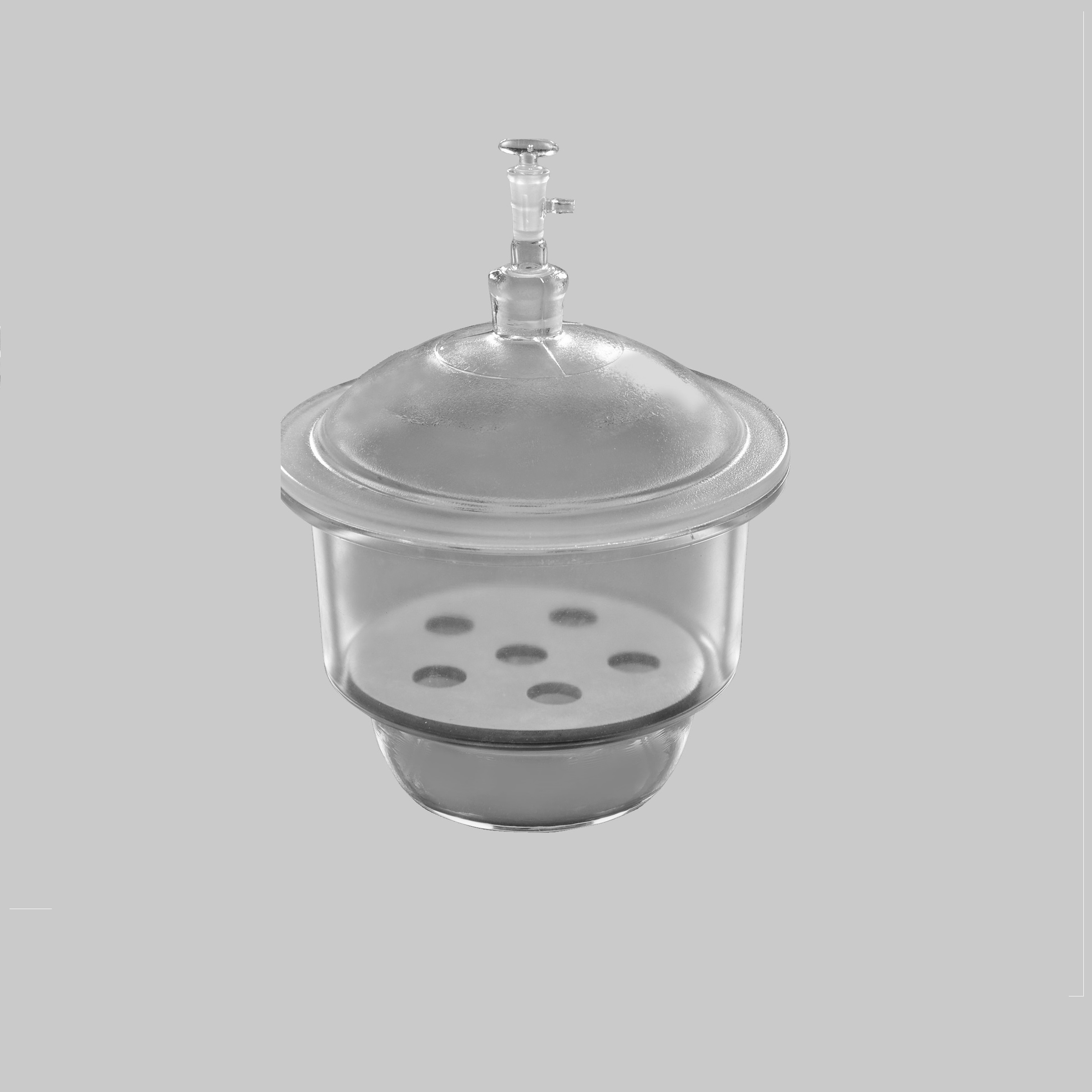
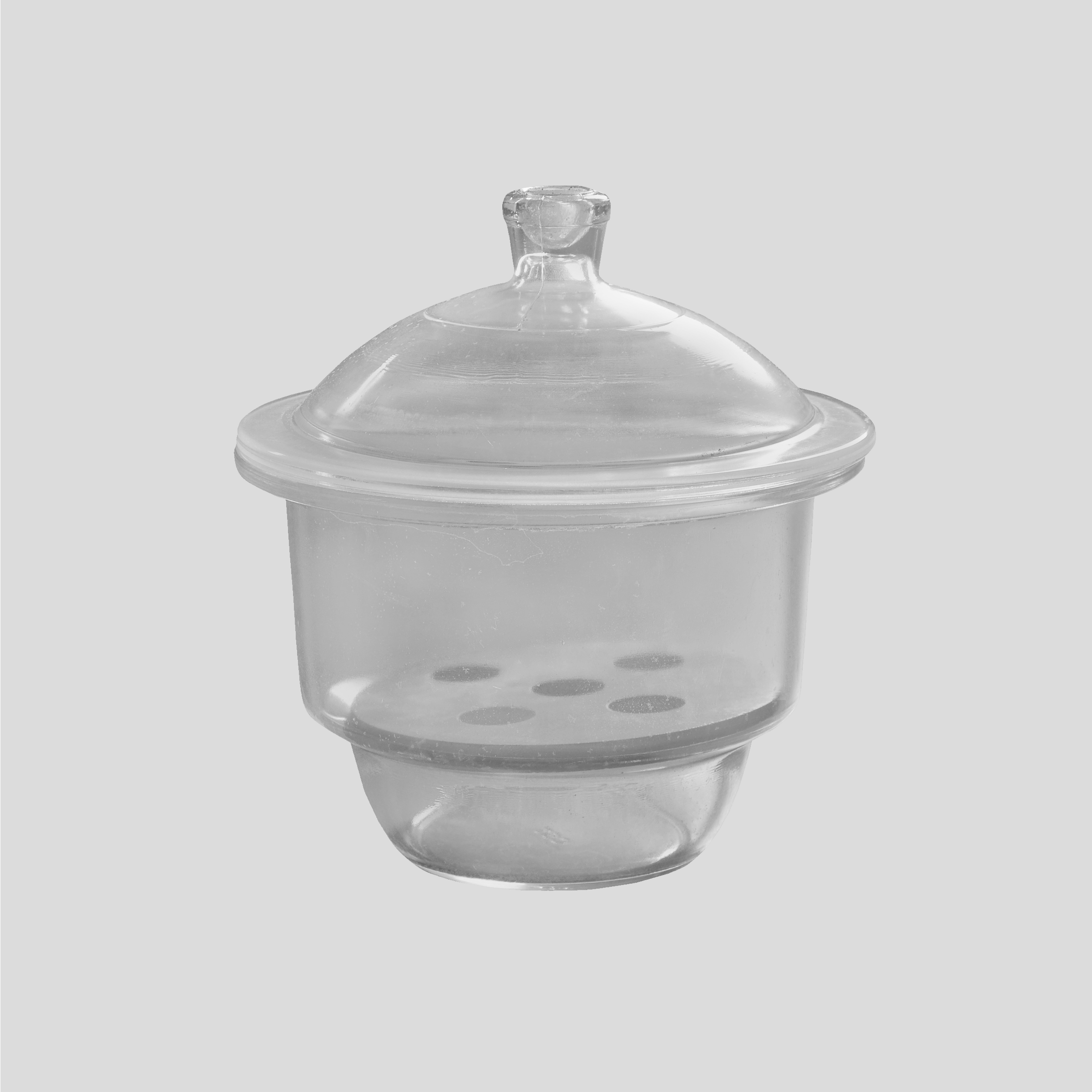
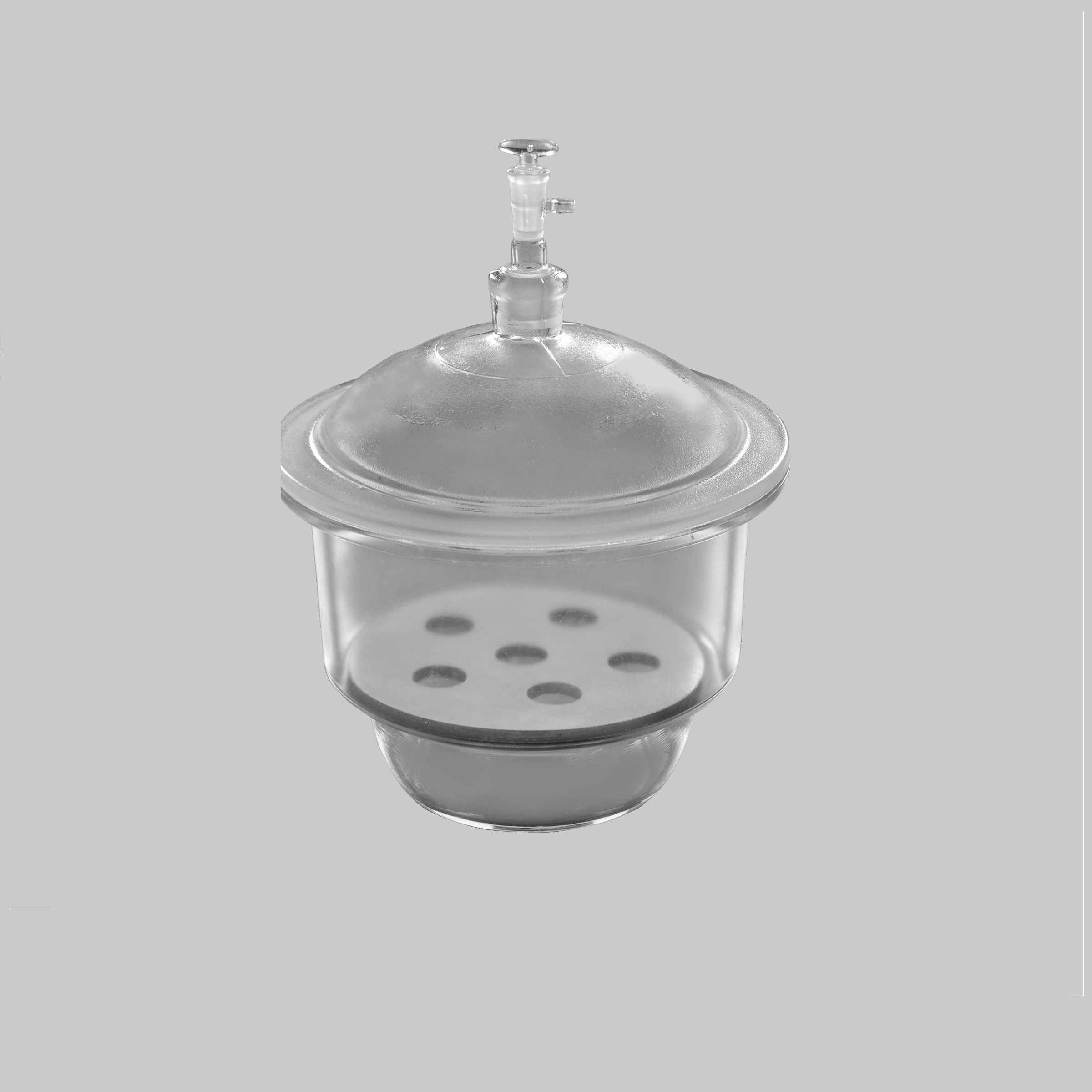
Desiccators are sealable enclosures containing desiccants used for preserving moisture-sensitive items. A common use for desiccators is to protect chemicals which are hygroscopic or which react with water from humidity. It is available in Neutral Glass or Borosilicate Glass. Neutral Glass Desiccators are most commonly sold. For specific applications, customers prefer Borosilicate Glass Desiccators.
Introduction to Desiccators
When it comes to protecting sensitive samples from moisture damage, a desiccator is an indispensable tool. These simple yet effective storage containers are widely used in laboratories, industries, and even households to preserve samples and maintain their integrity. In this guide, we’ll explore the definition, working principles, types, and applications of desiccators, along with tips for proper maintenance and usage.
What is a Desiccator?
A desiccator is a sealable container designed to store materials in a dry environment. It prevents moisture from reaching delicate samples, chemicals, or instruments. The core idea behind a desiccator is to use a desiccant (such as silica gel or molecular sieves) to absorb excess humidity, ensuring the stored items remain moisture-free.
Importance of Moisture Control in Laboratories
Moisture is one of the most common contaminants that can compromise the accuracy of experiments. Whether it’s hygroscopic chemicals, biological samples, or precision instruments, exposure to humidity can cause unwanted reactions, corrosion, and degradation. Desiccators ensure that researchers maintain a controlled environment for reliable results.
History and Evolution of Desiccators
Early Methods of Sample Preservation
Long before modern laboratory equipment existed, scientists stored materials in sealed containers with natural drying agents like charcoal or lime. These primitive setups laid the foundation for the development of desiccators.
Modern Advances in Desiccator Technology
Today’s desiccators are far more advanced. With vacuum seals, digital sensors, and automatic humidity control systems, modern desiccators provide superior protection. This evolution reflects the growing need for precision in both research and industrial processes.
Types of Desiccators
Standard Glass Desiccator
The classic glass desiccator is transparent, allowing users to monitor stored items easily. It’s ideal for general laboratory use, though it can be fragile.
Plastic Desiccator
Lightweight and more resistant to breakage, plastic desiccators are preferred in settings where durability is crucial. However, they may scratch or discolor over time.
Vacuum Desiccator
A vacuum desiccator goes one step further by removing air and moisture with a vacuum pump. This provides an ultra-dry environment, making it perfect for highly sensitive samples.
Automatic and Digital Desiccators
With built-in sensors and humidity control, digital desiccators allow users to set and monitor conditions with precision. They are increasingly popular in high-tech laboratories and industries.