
Dishes
Petri, Evaporating & Crystallizing Dishes
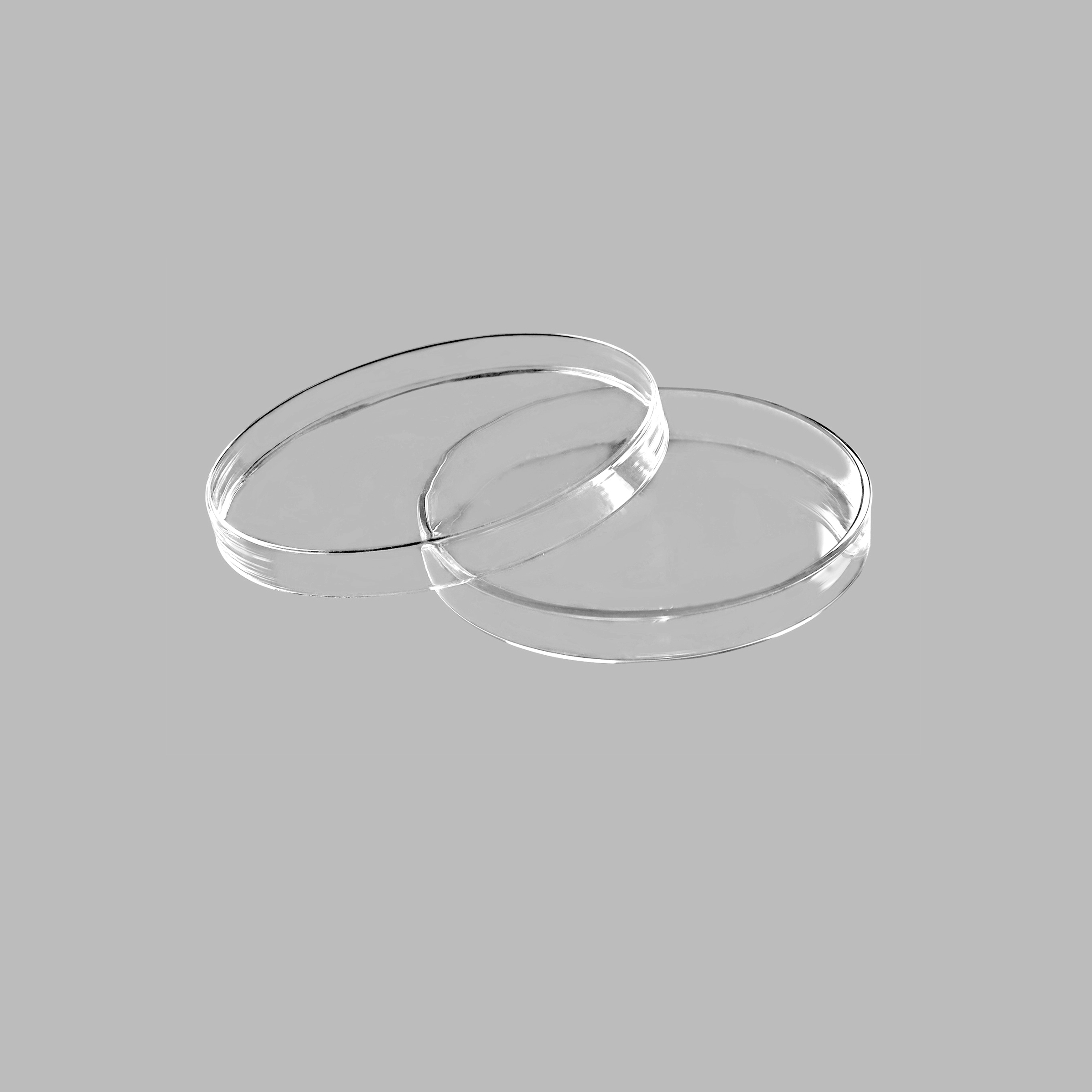
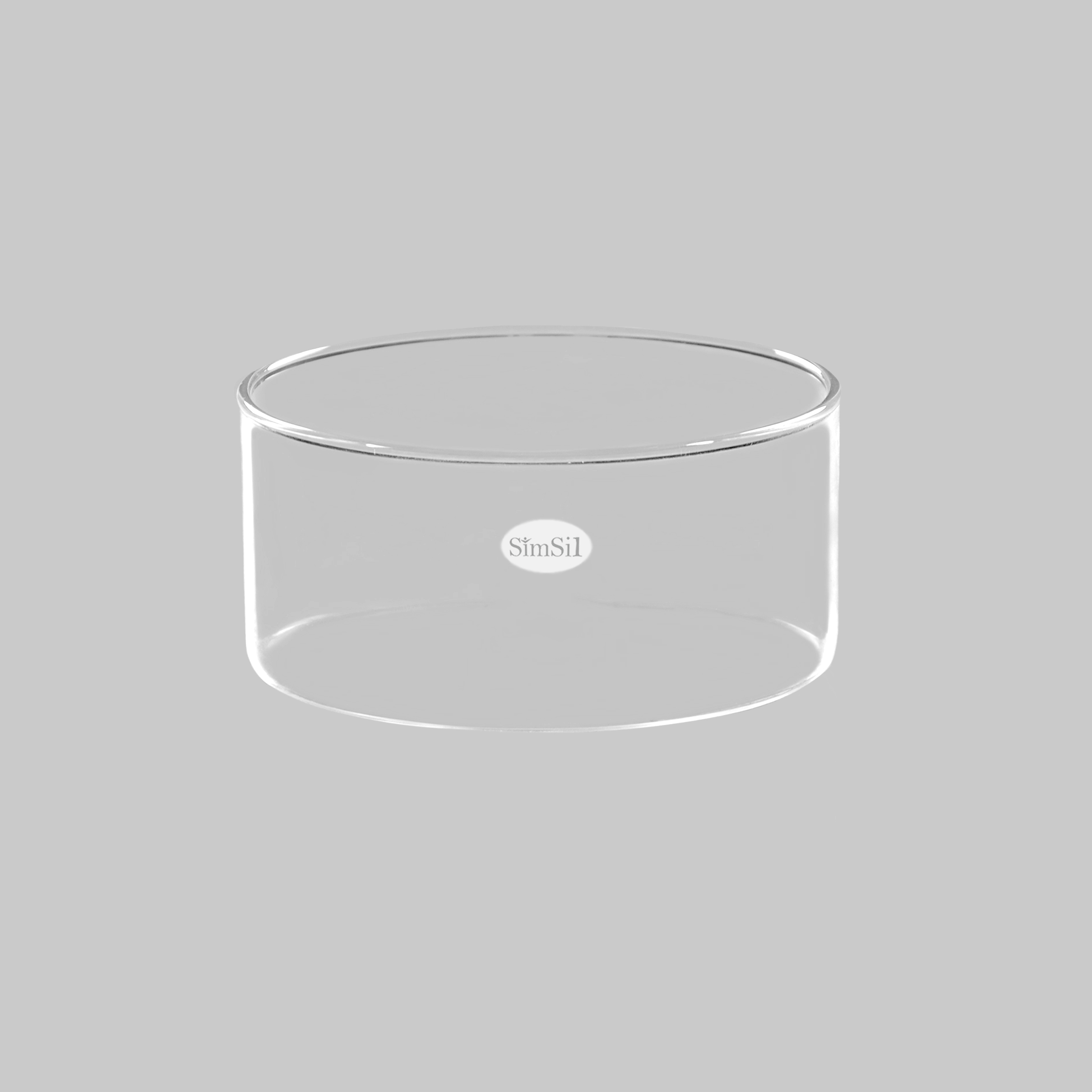
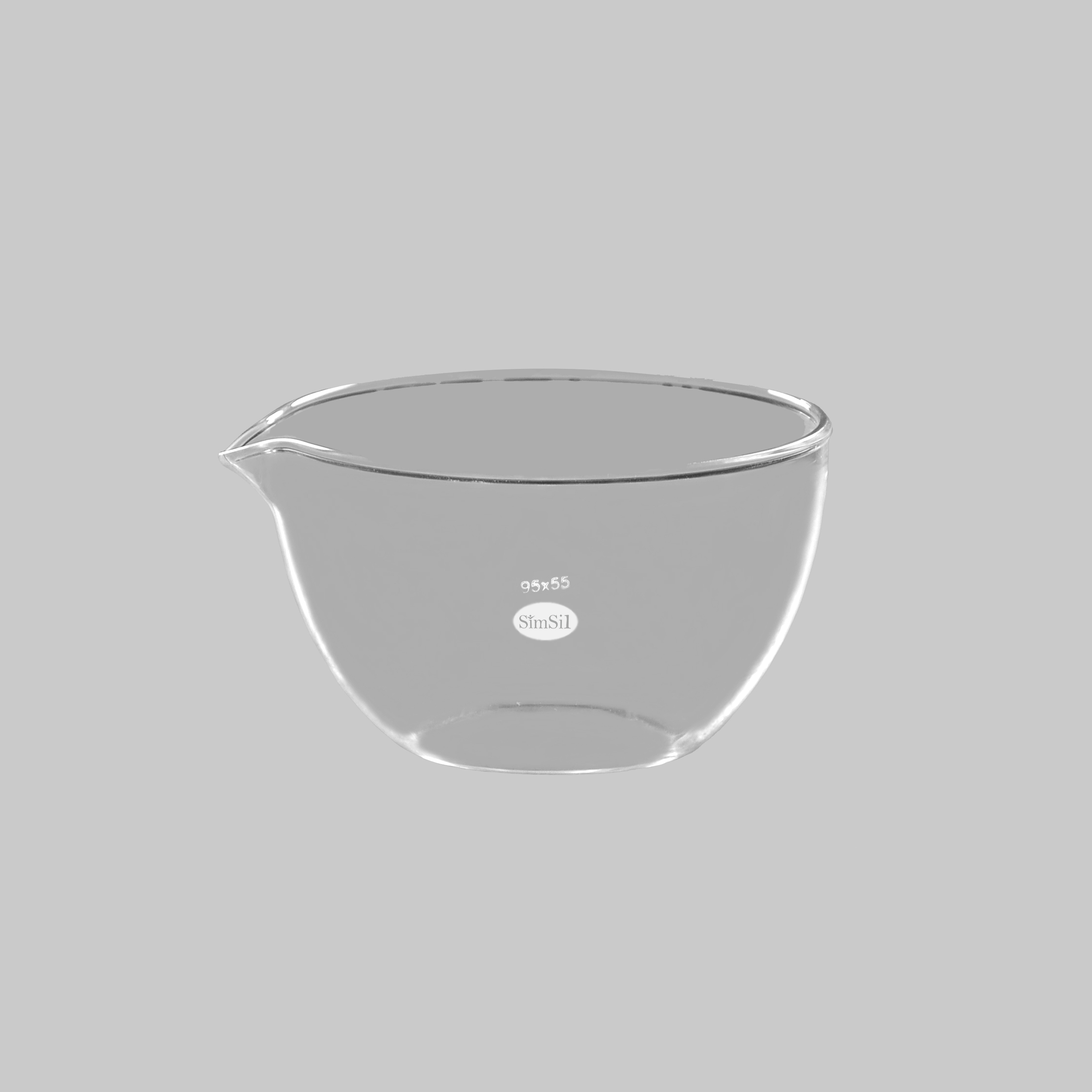
Dishes used in laboratories include petri dishes, evaporating dishes, and crystal dishes. Petri Dishes are used to isolate microorganisms like bacteria and viruses so they can be studied under observation. Evaporating dishes have a large liquid surface to promote evaporation. Crystallizing Dishes are shallow, circular glass dishes used in laboratories to grow and study crystals.
Introduction to Lab Dishes
In every laboratory, whether in schools, universities, or research institutions, lab dishes play a critical role in scientific experiments. These seemingly simple tools are essential for microbiological cultures, evaporation processes, crystallization, and countless other applications. In this guide, we’ll explore the types, uses, materials, and best practices for lab dishes, ensuring you have the knowledge to select and use them effectively.
What Are Lab Dishes?
A lab dish is a shallow, open container commonly used in scientific laboratories. Unlike beakers and flasks, which are enclosed and designed for mixing or heating liquids, lab dishes provide an open surface area for culture growth, evaporation, drying, and crystallization.
Importance of Lab Dishes in Scientific Research
Without lab dishes, essential processes like microbial culture growth, solvent evaporation, and crystal formation would be challenging to perform. Their wide surface area allows scientists to observe reactions and processes clearly, making them indispensable in both research and education.
History and Evolution of Lab Dishes
Early Laboratory Glassware
The origins of lab dishes date back to early glass-blowing techniques. Early scientists used shallow bowls to carry out evaporation and crystallization, which eventually evolved into standardized lab dishes.
Modern Developments in Materials and Design
Today’s lab dishes are available in heat-resistant glass, durable plastic, and chemical-resistant porcelain, designed for specialized purposes. Advancements have also led to disposable sterile dishes, reducing contamination risks in microbiology.
Types of Lab Dishes
Petri Dishes
One of the most iconic lab dishes, Petri dishes are used for growing and observing microbial cultures. They come in glass (reusable) and plastic (disposable) versions.
Evaporating Dishes
Made of porcelain or heat-resistant glass, evaporating dishes are used for heating solutions to evaporate solvents, leaving behind solid residues.
Crystallizing Dishes
These wide, shallow dishes are designed for crystal formation during cooling and evaporation processes.
Watch Glasses
Although simple, watch glasses serve as small dishes for holding samples, covering beakers, or evaporating small amounts of liquid.
Other Specialized Lab Dishes
Some dishes are designed for specific chemical reactions, educational experiments, or high-precision industrial processes.
Materials Used in Lab Dishes
Glass Lab Dishes
-
Heat-resistant (borosilicate glass).
-
Reusable and transparent for easy observation.
Plastic Lab Dishes
-
Disposable and lightweight.
-
Commonly used in microbiology to reduce contamination.
Ceramic and Porcelain Dishes
-
Ideal for high-temperature heating.
-
Resistant to chemical corrosion.