
Beakers
Beaker – Laboratory Glassware for Measuring, Mixing & Heating
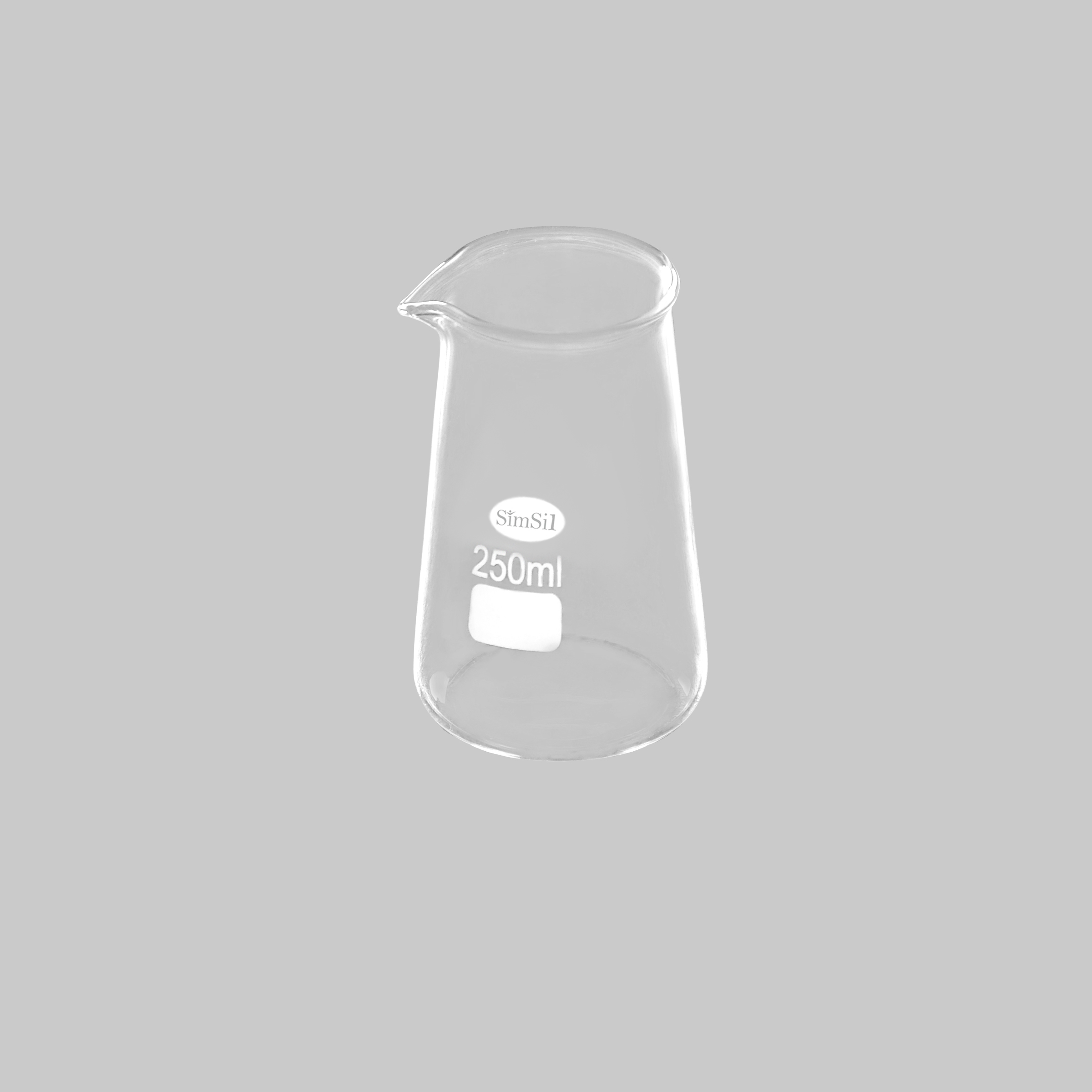
A beaker is a common piece of laboratory glassware used for measuring, mixing, and heating liquids. With its cylindrical body, flat base, and spout for easy pouring, the laboratory beaker is essential in scientific experiments, chemical analysis, and educational labs.
Made from borosilicate glass or durable plastic beakers, they are resistant to heat, chemicals, and mechanical stress. Beakers in laboratories come in various capacities, making them ideal for preparing solutions, carrying out reactions, or simply holding samples.
Whether in pharmaceutical labs, research institutes, or industrial testing, a scientific beaker ensures accuracy, safety, and reliability in handling liquids.


FAQs on Beakers (Laboratory Glassware)
Q1. What is a beaker in laboratory?
A beaker is a cylindrical laboratory glassware used for measuring, mixing, and heating liquids. It has a flat bottom and spout for easy pouring, making it one of the most commonly used lab tools.
Q2. What are the uses of a beaker in laboratory?
A beaker is mainly used for holding liquids, mixing solutions, heating substances, and conducting chemical reactions. Beakers are also used for approximate liquid measurement in labs.
Q3. What are the types of beakers?
The main types of beakers include borosilicate glass beakers, plastic beakers, graduated beakers, low-form beakers, and tall-form beakers. Each type of beaker is designed for specific laboratory applications.
Q4. Why is a beaker important in laboratory experiments?
A laboratory beaker is important because it is versatile, heat-resistant, and easy to handle. Beakers allow scientists and students to safely measure, mix, and transfer liquids during experiments.
Q5. What is the difference between a beaker and a flask?
The main difference is in shape and usage: a beaker has a wide mouth with straight sides and is mainly used for mixing and heating liquids, while a flask has a narrow neck, making it suitable for storing and minimizing liquid evaporation.
Q6. What materials are beakers made from?
Most laboratory beakers are made from borosilicate glass due to its thermal and chemical resistance. Some beakers are made from plastic (polypropylene, PTFE) for lightweight and chemical-safe applications.
Q7. How to choose the right laboratory beaker?
To choose the right beaker, consider the required capacity, material (glass or plastic), and heat resistance depending on your laboratory application.
Q8. What is the difference between glass beakers and plastic beakers?
Glass beakers (usually made from borosilicate glass) are heat-resistant and ideal for heating or chemical reactions, while plastic beakers are better for general mixing, measuring, and handling corrosive chemicals where breakage risk is high.