
Flasks
Erlenmeyer, Volumetric, Boiling (Florence), Buchner Flasks
Premium-quality lab flasks for accurate mixing, heating, and measuring. Includes Erlenmeyer flasks, volumetric flasks, boiling (Florence) flasks, and Buchner flasks. Ideal for laboratories, research, and industrial applications. Available in glass and plastic variants.


Introduction to Laboratory Flasks
Laboratory experiments depend heavily on precise and reliable glassware. Among the most commonly used pieces are the Erlenmeyer flask, volumetric flask, boiling (Florence) flask, and Büchner flask. Though they may look similar to beginners, each serves a unique purpose in chemistry, biology, and industrial applications.
Understanding their differences, history, design features, and uses is essential for both students and professionals working in laboratories.
Laboratory flasks are indispensable in any scientific setting, serving a multitude of purposes ranging from mixing and storing solutions to heating, distillation, and precise volume measurement. These essential pieces of glassware come in a variety of shapes and sizes, each tailored for specific laboratory tasks.
Common Types of Laboratory Flasks
-
Erlenmeyer Flasks: Recognizable by their conical shape and narrow neck, Erlenmeyer flasks are ideal for mixing, pouring, and storing liquids. Their design allows for easy swirling without risk of spillage, making them a staple for titrations, suspensions, and general solution prep. Available in both glass and plastic, some models offer features like graduations for measurement or vented caps for gas exchange.
-
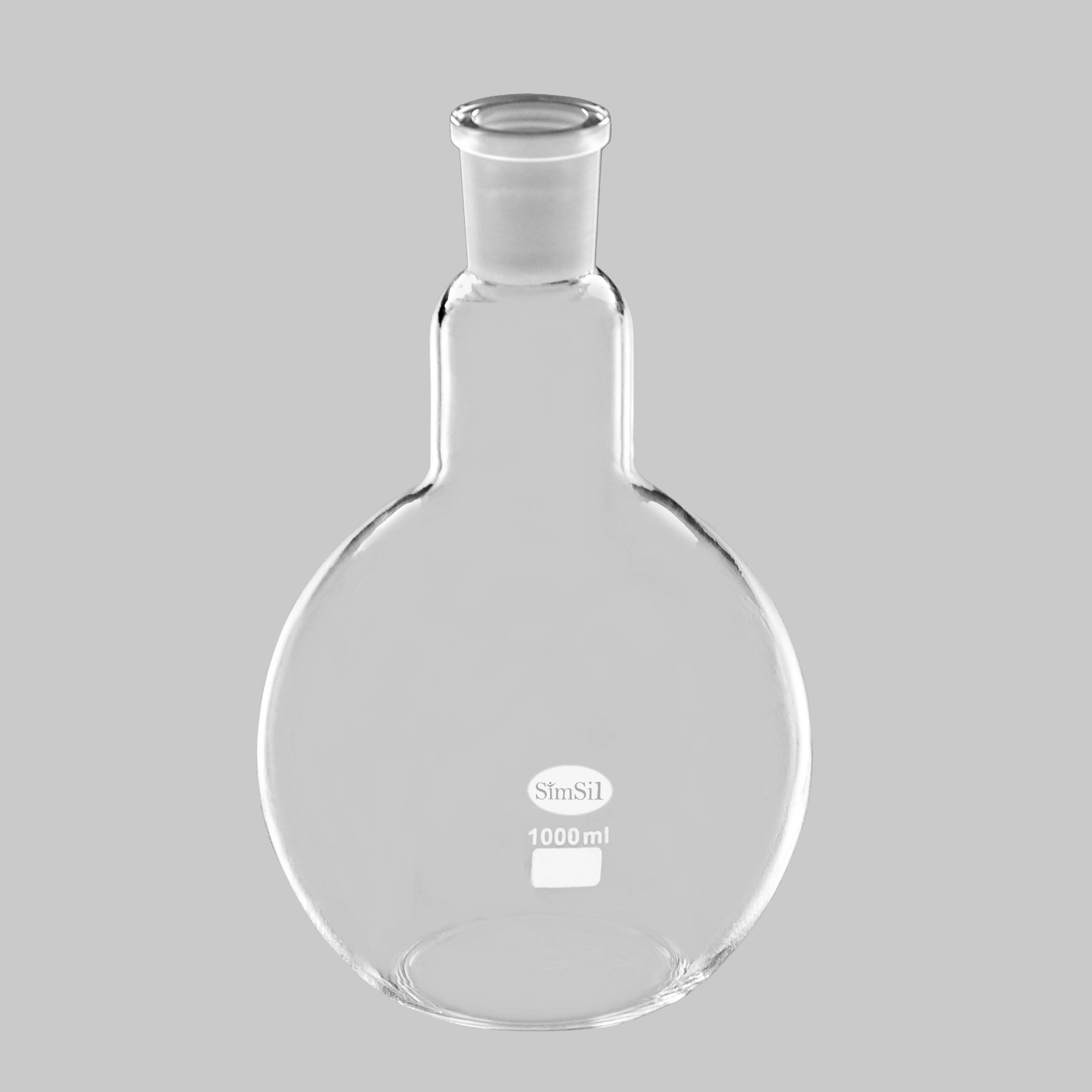
Round-Bottom Flasks: Often called boiling flasks, these have a spherical base that ensures even heating and efficient mixing, perfect for distillation, reflux, or reactions requiring uniform temperature distribution. Options include single or multiple necks, and a range of sizes to suit various setups.
-
Conical Flasks: Similar to Erlenmeyer flasks but used extensively for titrations, heating over a Bunsen burner, and filtration. The tapered design aids in mixing while minimizing spills.
-
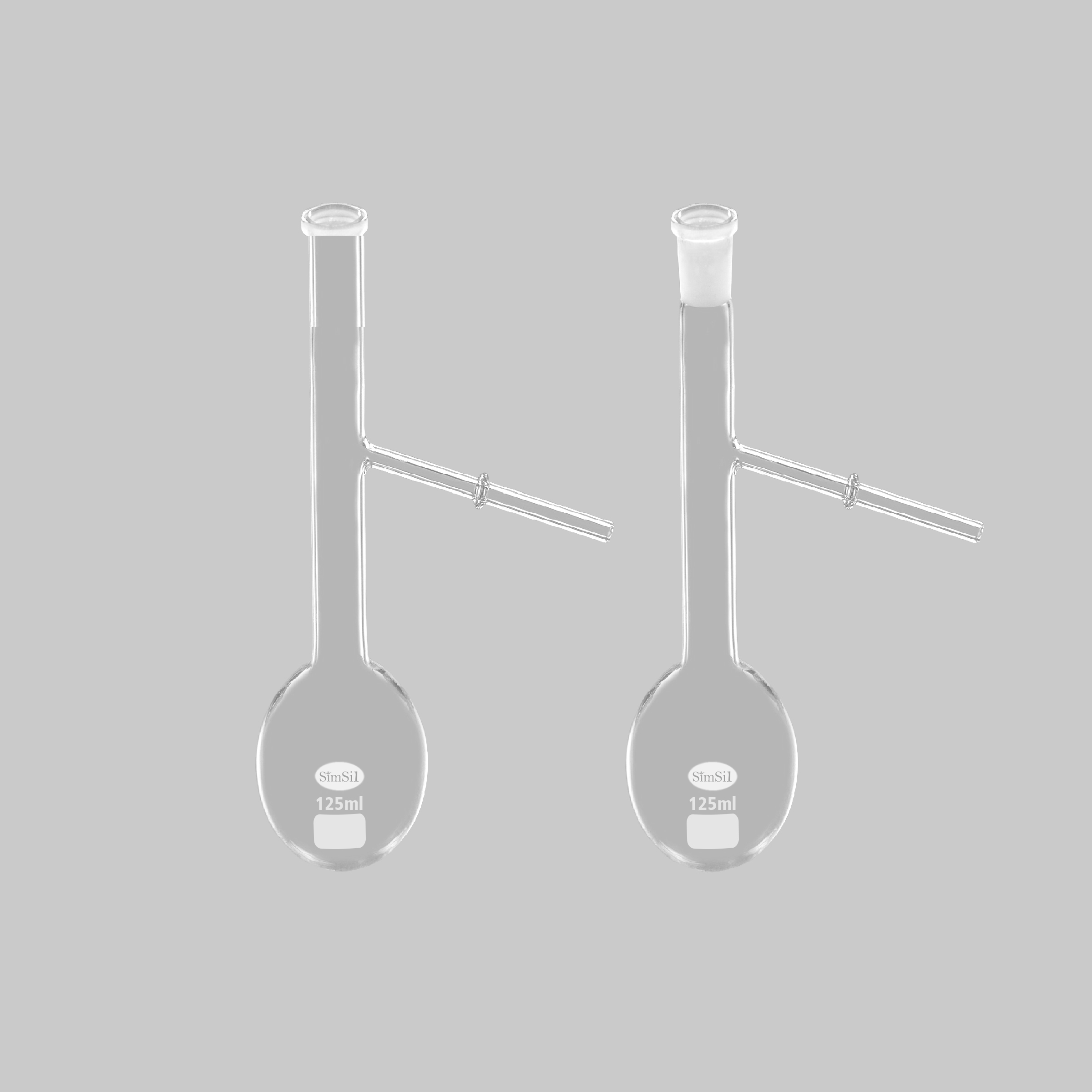
Vacuum Filtration Flasks: Distinguished by their sturdy side-arm, these flasks are designed for use with vacuum filtration setups, separating solids from liquids with ease and reliability.
-
Volumetric Flasks: For tasks demanding high precision, volumetric flasks are indispensable. Their pear-shaped body and long neck, marked with a single calibration line, ensure accurate solution preparation and dilution in analytical chemistry.
-
Cell Culture Flasks: Specifically treated for optimal cell attachment and growth, these flasks provide a controlled environment for culturing cells in vitro. Rectangular or multilayer designs maximize surface area and support consistent cell propagation.
Whether you need a robust vessel for heating, a precise tool for measurement, or a specialized flask for cell culture, the right laboratory flask makes all the difference in experimental success. Each type is engineered for specific applications, ensuring safety, accuracy, and efficiency in the lab.
What is an Erlenmeyer Flask?
An Erlenmeyer flask, also known as a conical flask, is a flat-bottomed, conical container with a narrow neck. Its shape allows for easy swirling and mixing of solutions without risk of spillage.
Common Uses:
-
Heating and boiling liquids
-
Performing titrations
-
Culturing microorganisms
-
General solution handling
✅ Best for: General-purpose laboratory work requiring moderate accuracy.
What is a Volumetric Flask?
A volumetric flask is a highly precise laboratory tool used to prepare solutions of exact volumes and concentrations. It has a flat bottom, a long narrow neck, and a single etched calibration mark that ensures accuracy.
Common Uses:
-
Preparing standard solutions
-
Diluting concentrated chemicals
-
Analytical chemistry experiments
✅ Best for: Exact measurements where accuracy and precision are essential.
What is a Boiling (Florence) Flask?
A boiling flask, often called a Florence flask, is a round-bottomed flask with a long neck. It is specially designed to withstand heating and boiling for extended periods.
Design Features:
-
Round body distributes heat evenly.
-
Can be used with corks, stoppers, or distillation setups.
-
Usually made of borosilicate glass for heat resistance.
Common Uses:
-
Boiling and heating solutions safely
-
Distillation processes
-
Long-duration reactions requiring even heating
✅ Best for: Controlled heating and boiling without sudden thermal stress.
What is a Büchner Flask?
A Büchner flask, also known as a vacuum flask, filter flask, or side-arm flask, is a thick-walled Erlenmeyer-type flask equipped with a side tube that connects to a vacuum pump.
Design Features:
-
Heavy glass walls to withstand vacuum pressure.
-
Sidearm for vacuum attachment.
-
Typically used with a Büchner funnel.
Common Uses:
-
Vacuum filtration
-
Rapid separation of solids and liquids
-
Removing solvents quickly
✅ Best for: Filtration processes that require suction/vacuum.
Key Differences Between the Four Flasks
| Flask Type | Shape | Accuracy | Main Use | Best Application |
|---|---|---|---|---|
| Erlenmeyer Flask | Conical body, flat base | Approximate | Mixing, heating, titration | General lab use |
| Volumetric Flask | Pear-shaped, long neck | Highly accurate | Preparing standard solutions | Analytical chemistry |
| Boiling Flask | Round body, long neck | Moderate | Boiling & distillation | Heating reactions safely |
| Büchner Flask | Conical, thick glass, sidearm | Not for measuring | Vacuum filtration | Separation of solid-liquid mix |
History and Development
-
Erlenmeyer Flask (1860): Invented by German chemist Emil Erlenmeyer to improve mixing and heating safety.
-
Volumetric Flask (19th century): Developed to meet the needs of analytical chemistry for precise concentration measurements.
-
Boiling (Florence) Flask: Originates from early alchemy and distillation practices, later standardized in modern chemistry labs.
-
Büchner Flask (1893): Designed by Ernst Büchner to work with the Büchner funnel for vacuum filtration in microbiology and chemistry.
Structure and Design Features
Shape and Material
-
Erlenmeyer: Conical with a narrow neck, made of glass or plastic.
-
Volumetric: Pear-shaped with a calibration line, usually borosilicate glass.
-
Boiling Flask: Round-bottomed, designed for heating.
-
Büchner Flask: Thick-walled with sidearm, resistant to vacuum pressure.
Markings and Calibration
-
Erlenmeyer: Approximate graduations.
-
Volumetric: Single precise calibration line.
-
Boiling Flask: Usually unmarked, for heating only.
-
Büchner Flask: Unmarked, designed for filtration not measurement.
Standard Sizes Available
-
Erlenmeyer: 25 mL – 2000 mL
-
Volumetric: 10 mL – 1000 mL (ISO/ASTM standards)
-
Boiling Flask: 50 mL – 2000 mL
-
Büchner Flask: 250 mL – 2000 mL