
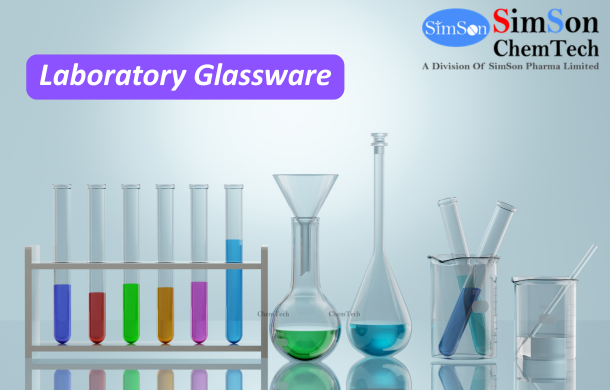
In every scientific laboratory, whether for education, research, or industrial testing, laboratory glassware forms the backbone of experimental work. Known for its durability, chemical resistance, and precision, lab glassware is essential for measuring, mixing, storing, and heating chemicals.
This blog will explore the different types of laboratory glassware, their common uses, advantages, and best practices for cleaning and maintenance-helping you make informed decisions and ensure lab safety and accuracy.
What is Laboratory Glassware?
Laboratory glassware refers to a wide range of vessels and instruments made of specialized glass (like borosilicate or quartz) used in scientific experiments. These tools are designed to withstand extreme temperatures, resist corrosion, and provide precise volume measurements.
Lab glassware is commonly used in chemistry, biology, environmental science, pharmaceutical research, and industrial applications.
Common Types of Laboratory Glassware and Their Uses
Here are the most commonly used glassware items in laboratories:
Beakers
- Shape: Cylindrical with a spout
- Use: Mixing, heating, or holding liquids
- Available in various sizes (50 ml to 5 liters)
Flasks
a) Volumetric Flasks
- Used for preparing standard solutions at precise volumes
- Ideal for titration, quantitative analysis
b) Erlenmeyer Flasks
- Conical shape for mixing without spilling
- Suitable for boiling or culturing microbes
c) Round-Bottom Flasks
-
Used in distillation and heating under reflux
Measuring Cylinders (Graduated Cylinders)
- Tall, narrow containers marked with volume graduations
- Ideal for precise volume measurement of liquids
Burettes
- Long, graduated glass tubes with a stopcock at the bottom
- Used for titration and precise dispensing of liquids
Pipettes
- Used for transferring exact volumes of liquid
- Types include volumetric, graduated, and micropipettes
Test Tubes
- Small cylindrical tubes used for handling small liquid samples
- Ideal for heating, reaction testing, and biological sample storage
Glass Funnels
- Aid in transferring liquids into narrow containers
- Also used with filter paper for filtration processes
Desiccators and Condensers
- Condensers are used in distillation and cooling applications keep samples moisture-free
- Condensers are used in distillation and cooling applications
Why Use Glassware in the Laboratory?
Laboratory glassware is preferred due to:
- Chemical Resistance: Inert to most acids, bases, and solvents
- Thermal Stability: Withstands high heat and sudden temperature changes
- Transparency: Allows visual monitoring of reactions
- Precision: Calibrated glassware ensures accurate measurements
Best Practices for Cleaning and Maintenance of Lab Glassware
Proper care ensures safety, accuracy, and longevity of glassware:
✅ Cleaning Tips:
- Use warm water and lab-grade detergent
- Rinse thoroughly with distilled water
- For greasy residues, use organic solvents or chromic acid cautiously
- Use brushes specifically designed for glassware
✅ Handling Tips:
- Always inspect for cracks or chips before use
- Never heat closed containers or expose glassware to rapid temperature changes
- Avoid using damaged or scratched glassware, especially under pressure or heat
✅ Storage Tips:
- Store in dry, padded cabinets
- Use racks and separators to prevent breakage
- Label properly and keep graduated glassware upright
Simson Chemtech - Your Trusted Supplier of Laboratory Glassware in India
Looking for premium-quality laboratory glassware at competitive prices?
Simson Chemtech is one of India’s leading manufacturers, suppliers, and exporters of:
- Volumetric Flasks (Class A & B)
- Borosilicate Beakers & Test Tubes
- Graduated Cylinders
- Pipettes, Funnels, and Burettes
- Custom-blown scientific glassware
We provide products made from heat-resistant borosilicate glass with accurate calibrations, suitable for all research, educational, and industrial settings.
Conclusion: Precision Begins with the Right Glassware
Whether you’re conducting complex chemical reactions, preparing buffer solutions, or performing analytical tests, the right laboratory glassware makes all the difference. Quality, calibration, and care are the cornerstones of dependable scientific outcomes.
Trust Simson Chemtech for glassware that delivers performance, reliability, and value-every time.
Frequently Asked Questions (FAQs)
1. What are the different types of laboratory glassware and their functions?
Laboratory glassware includes beakers (mixing), flasks (heating and storage), burettes (titration), pipettes (transferring liquids), test tubes (holding samples), and graduated cylinders (measuring volume). Each type serves a specific purpose in lab experiments.
2. Why is borosilicate glass used for laboratory glassware?
Borosilicate glass is resistant to heat, thermal shock, and chemical corrosion, making it ideal for lab glassware used in high-temperature and reactive chemical applications.
3. How to properly clean laboratory glassware after use?
Use a laboratory-grade detergent and soft brush with warm water. Rinse thoroughly with distilled water and air dry. For persistent residues, acid cleaning or ultrasonic cleaning may be required.
4. What are the best practices for handling laboratory glassware safely?
Always inspect glassware for cracks, wear gloves while handling chemicals, use tongs for hot items, and never apply direct flame to non-heat-resistant glassware.
5. Can laboratory glassware be sterilized in an autoclave?
Yes, borosilicate lab glassware can be autoclaved at high temperatures. Ensure it’s compatible with pressure sterilization and avoid sealing items during the process.
6. How to store laboratory glassware to prevent damage?
Store glassware upright in a clean, dry cabinet. Use padded racks for delicate items and separate types by function to avoid scratches and breakage.
7. What are the common uses of volumetric glassware in the lab?
Volumetric glassware like pipettes, burettes, and volumetric flasks is used for accurate liquid measurements, solution preparation, and chemical titrations.
8. What is the difference between a beaker and a flask in lab work?
A beaker is open and ideal for mixing or heating, while a flask (like an Erlenmeyer flask) has a narrow neck for controlled reactions and reduced evaporation.
9. How to dispose of broken or damaged lab glassware safely?
Place broken glassware in labeled sharps containers or puncture-resistant disposal bins. Follow local or institutional biohazard and chemical waste guidelines.
10. What are signs that lab glassware needs to be replaced?
Cracks, etched markings, cloudiness, or warped shapes indicate that glassware should be replaced to ensure accuracy and safety in laboratory procedures.